




Do you pay full price for your equipment's fluids? AMSOIL has products that work as hard as you do at wholesale prices. Follow the link below to learn more.

AMSOIL products are a valuable addition to any store or shop that sells related products or services, such as auto parts stores, powersports dealerships, auto service centers or convenience stores. Let AMSOIL help you generate new business and boost profits.

Order $100 or more in AMSOIL products and receive free shipping, OR become a Preferred Customer and save up to 25 percent on every order.














LEARN MORE
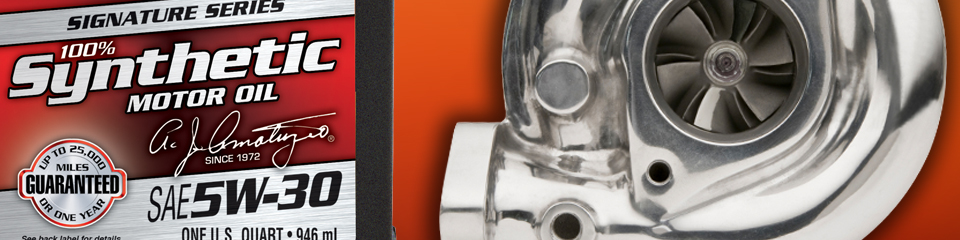
Turbochargers Create Conditions Best Suited for Synthetic Motor Oil
The industry trend toward smaller engines that deliver increased power and fuel efficiency has been well documented. The AMSOIL Newsstand contains several … Read More

Drain Interval Guide
AMSOIL Filter Change Recommendations Lube Filters Vehicles with Gasoline- or Diesel-Fueled Engines • EaO: Always change filter at time of oil change; … Read More
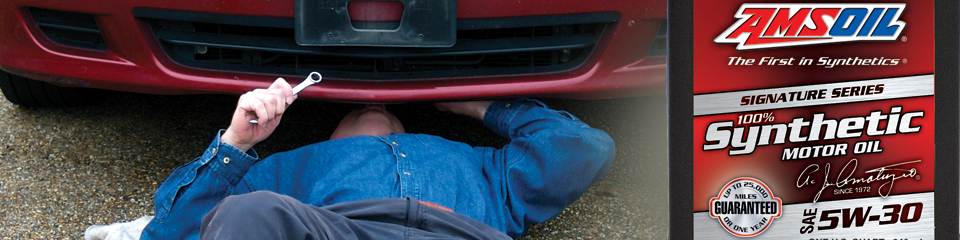
Ask AMSOIL: How Often Should Synthetic Motor Oil be Changed?
Most motorists now understand that synthetic motor oil performs better than conventional oil. It delivers improved wear protection, offers better engine cleanliness … Read More
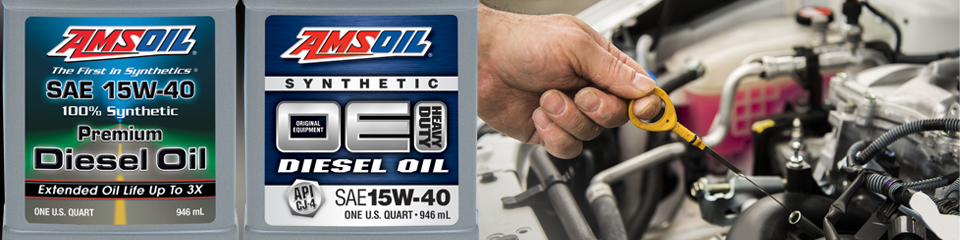
Can I Use Diesel Oil in My Gas Engine?
Motorists may favor diesel motor oils over their gasoline counterparts for a few different reasons. Diesel oil is perceived as more “heavy-duty” than … Read More